Trasional art puppet
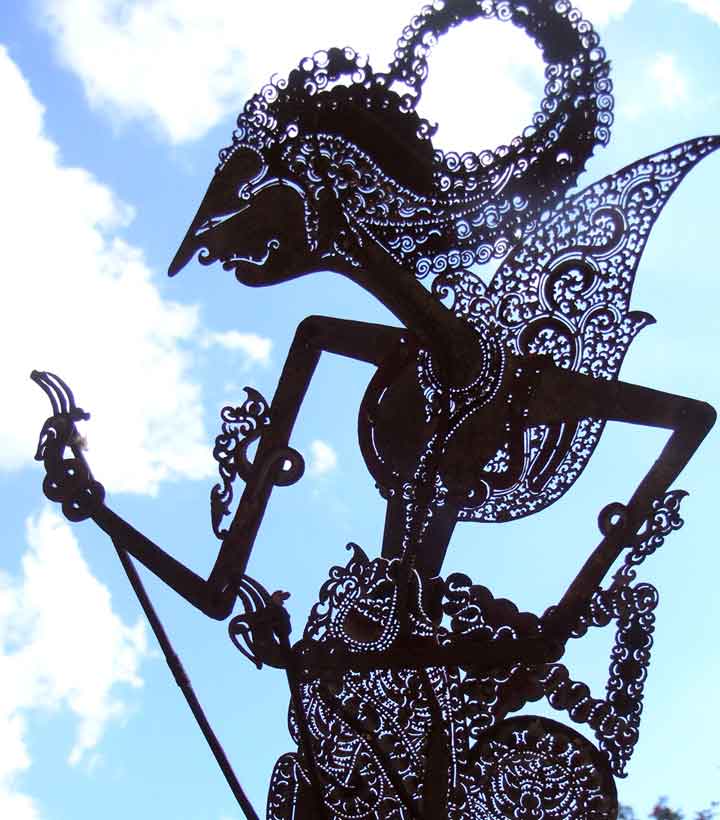
Many people think that the art of puppets from Indian Affairs. And according to R. Gunawan Djajakusumah in his book Introduction to Wayang Golek Purwa in West Java, it's not true. According to him, the puppet is the real culture of Indonesia (especially in Java).
The words come from Wad puppet of Hyang, meaning ¿¿ancestor, but others argue that the word ¿¿shadows. As for who argued that the puppet is from Indian country may be seen from the origin story is taken from the Ramayana story and Mahabrata (derived from the Hindu Scriptures). But then the stories were modified and adapted to the culture engineered in Java.
In West Java, wayang art called Wayang Golek ¿¿. That is, run the puppet art using puppets made of wood, almost like the face and body of human figure puppet picture. There are four kinds of figure on the puppet show, namely; figure Ravana (makuta wearing goleknya sekar kluwih model and era carvings resemble carved Pajajaran and Mataram kingdom with the descendants; Suyudana and Dushasana); figure of Arjuna (a true warrior figure illustrates a handsome and brave wearing clothes chopsticks ¿¿urang contemporaries such as Bhima and Ghatotkacha); figure Mungkur Garuda (eagle cooked up front with his tongue out); figure Bineka Sari (such as arranged to spruce up as the puppet of Krishna, Balarama, Arimbi, Rama and Indra, figure Kuluk, accessories clothes or wear the eagle image as found on sumping Batara puppet master, and Kumbangkarna Karna. Figures puppet show was made there that use a standard (ugaran) and berdasarekan own artistic talents (based on individual tastes.) puppet maker for This is in the Bogor (selacau Batujajar ¿) and ¿Cibiru Bandung.
Arts sections of puppet show: Dalang (puppet plays based on the story doll ¿); goleknya itself (hundreds); nayaga ¿groups or people who play gamelan, drums, goong, fiddle (string instrument musk) and interpreter kawih and interpreters Alok). All of these parts into a unity that can not be separated. Other Satudengan rhythm and synergy ceritannya road.
Puppet show is usually done at the time of the marriage feast and celebration both circumcision, Agustusan or because certain things (usually this is called Ruwatan). Timing could be all night or just a few JAMA course. The contents of the story is that the principle strain (taken as a whole based on the Ramayana story and Mahabrata) and some use the principle of breakaway (take certain parts which usually attract audiences such as war, humor and dialogue).
Pertujukan puppet who uses the principle of strain through the night time while the splinter is usually only one to two hours. Especially if the show through television media is very limited jamtayangnya probably only 45 minutes. In conditions of high activity and demand socialnya fast-paced times, it shows a brief but solid story interesting and humorous dialogue will be very attractive compared to the plots using the principle of strain ¿with long until dawn. For people from the older generation groups and fanatic strain terhadapprinsip puppet he would favor the way the original story, although she heard and seen over and over again. But, for the younger generation hungry for instant entertainment department, then the splinter stories are most preferred.
How many people are also at the same puppet doll wayangnya number? The answer, that according to R. Gunawan Djajakusumah puppet figures are 623 and not all terpangpang in one show.
According to our observations (Editor) in a show usually presents between 20 and 30 dolls and puppets that often appear most figure-friendly figure in the community such as; arjuna, five Pandava khsusnya ¿¿siCepot, Gatotkaca, bima, Ravana, members of the Kauravas army.
Number mastermind who recorded until the year 2002 was estimated to amount does not exceed one-hundred and mainstream society is like; Asep Sunarya, Ade Sunarya, Dede Amung. These puppeteers have the technical kamampuan high puppet plays, can recite the story goes, stroke of humor interesting and communicative with the audience.
The words come from Wad puppet of Hyang, meaning ¿¿ancestor, but others argue that the word ¿¿shadows. As for who argued that the puppet is from Indian country may be seen from the origin story is taken from the Ramayana story and Mahabrata (derived from the Hindu Scriptures). But then the stories were modified and adapted to the culture engineered in Java.
In West Java, wayang art called Wayang Golek ¿¿. That is, run the puppet art using puppets made of wood, almost like the face and body of human figure puppet picture. There are four kinds of figure on the puppet show, namely; figure Ravana (makuta wearing goleknya sekar kluwih model and era carvings resemble carved Pajajaran and Mataram kingdom with the descendants; Suyudana and Dushasana); figure of Arjuna (a true warrior figure illustrates a handsome and brave wearing clothes chopsticks ¿¿urang contemporaries such as Bhima and Ghatotkacha); figure Mungkur Garuda (eagle cooked up front with his tongue out); figure Bineka Sari (such as arranged to spruce up as the puppet of Krishna, Balarama, Arimbi, Rama and Indra, figure Kuluk, accessories clothes or wear the eagle image as found on sumping Batara puppet master, and Kumbangkarna Karna. Figures puppet show was made there that use a standard (ugaran) and berdasarekan own artistic talents (based on individual tastes.) puppet maker for This is in the Bogor (selacau Batujajar ¿) and ¿Cibiru Bandung.
Arts sections of puppet show: Dalang (puppet plays based on the story doll ¿); goleknya itself (hundreds); nayaga ¿groups or people who play gamelan, drums, goong, fiddle (string instrument musk) and interpreter kawih and interpreters Alok). All of these parts into a unity that can not be separated. Other Satudengan rhythm and synergy ceritannya road.
Puppet show is usually done at the time of the marriage feast and celebration both circumcision, Agustusan or because certain things (usually this is called Ruwatan). Timing could be all night or just a few JAMA course. The contents of the story is that the principle strain (taken as a whole based on the Ramayana story and Mahabrata) and some use the principle of breakaway (take certain parts which usually attract audiences such as war, humor and dialogue).
Pertujukan puppet who uses the principle of strain through the night time while the splinter is usually only one to two hours. Especially if the show through television media is very limited jamtayangnya probably only 45 minutes. In conditions of high activity and demand socialnya fast-paced times, it shows a brief but solid story interesting and humorous dialogue will be very attractive compared to the plots using the principle of strain ¿with long until dawn. For people from the older generation groups and fanatic strain terhadapprinsip puppet he would favor the way the original story, although she heard and seen over and over again. But, for the younger generation hungry for instant entertainment department, then the splinter stories are most preferred.
How many people are also at the same puppet doll wayangnya number? The answer, that according to R. Gunawan Djajakusumah puppet figures are 623 and not all terpangpang in one show.
According to our observations (Editor) in a show usually presents between 20 and 30 dolls and puppets that often appear most figure-friendly figure in the community such as; arjuna, five Pandava khsusnya ¿¿siCepot, Gatotkaca, bima, Ravana, members of the Kauravas army.
Number mastermind who recorded until the year 2002 was estimated to amount does not exceed one-hundred and mainstream society is like; Asep Sunarya, Ade Sunarya, Dede Amung. These puppeteers have the technical kamampuan high puppet plays, can recite the story goes, stroke of humor interesting and communicative with the audience.
posted by INDONESIAN MY LOVE IN COUNTRY @ 1:50 AM
0 Comments


